
The Practice of Wonderment and Interfusion
with Guo Gu
October 8 - 12, 2026
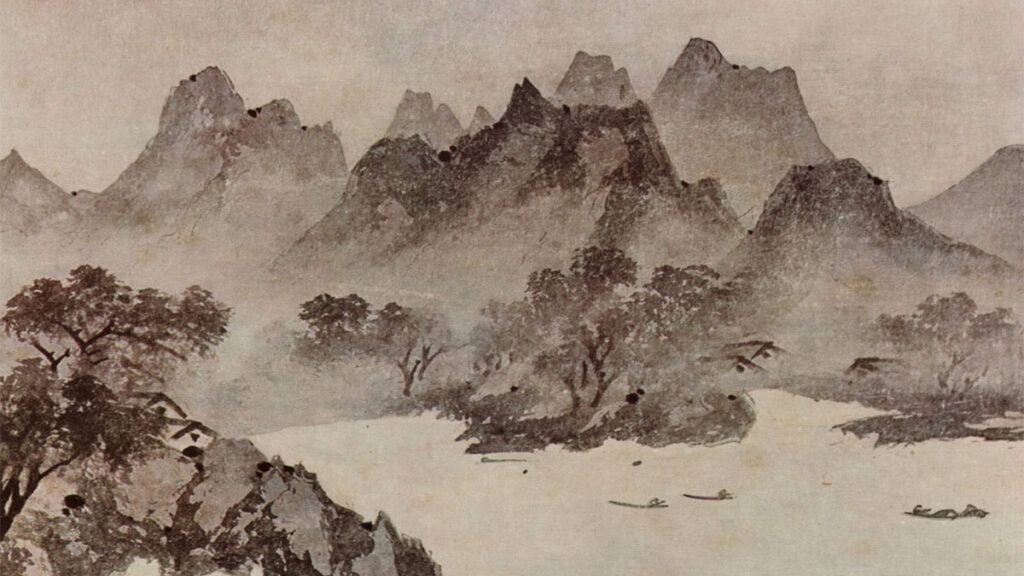
In Chan Buddhism, the practice of wonderment brilliantly unravels the entanglement of selfing and othering, separateness and alienation. It incapacitates our delusions and opens us up to the possibility of transforming routinized habits that structure our lives. The Chan practice of wonderment deepens relationships, expands imagination, and unravels our fixed ideas. It frees us from the carefully constructed façades of selfing and othering. It reveals that we are interconnected and inseparable. This realization is both an emptying of fixations and a possibility connections. In this five day silent retreat, Guo Gu will teach and provide guidance on the practice of wonderment.
What is Chan?
Chan refers to our intrinsic nature of freedom, expressed in terms of wisdom and compassion. Realization of Chan is the direct personal awakening to the interconnectedness and dynamics of life, beyond the dualism of language and concepts, free from self-reference. For this reason, there is a saying, “Chan is not established on words and language.” Yet Chan masters freely uses words and language to benefit people and the world. Chan is also one of the schools within Chinese Buddhism popularly known as “Zen” in Japanese. As a school, Chan has a history dating back to 7th century CE in China, later transmitted to Japan in the 13th century.
The teaching starts with facing the self, accepting the self, maturing the self, and eventually letting go of the self, which is awakening of wisdom and compassion that leads to harmony, peace, and compassion for the world. Letting go of the self does not mean we no longer know who we are or cannot use our intellect, but means experiencing the world without the colored lens of rigid self-referential views, opinions, and experiences that give rise to vexations and distort how things actually are.
Chan teaching encompasses four key elements: confidence, understanding, practice, and awakening. Confidence is faith in oneself and practice. Understanding refers to the insights gained on the path of practice. Practice transforms our negative habits and distorted views. Awakening is the actualization of wisdom and compassion. These four elements are inseparable and mutually inclusive.
About Guo Gu
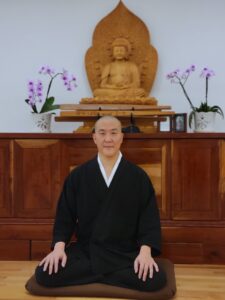
Guo Gu (Dr. Jimmy Yu) is the founder of the Tallahassee Chan Center, the founder of the socially engaged intra-denominational Buddhist organization, Dharma Relief, and a professor of Buddhism and East Asian religions at Florida State University. He studied under the late Master Sheng Yen for over 30 years, nine of which as his attendant monk and most senior and closest disciple. He is the author of The Essence of Chan (2012), Passing Through the Gateless Barrier (2016), and Silent Illumination (2021). He is an alumnus of the Department of Religion at Princeton University, where he earned his Ph.D.
Approximate Daily Schedule
6:00 am Wake Up Bell
6:30 am Mindful Exercises
7:00 am Sitting Meditation
7:40 am Morning Chanting
8:15 am Breakfast
9:00 am Work Period
9:45 am Rest & Personal Time
10:15 am Chan Hall: Sitting, Mindful Yoga, Walking Meditation
12:15 pm Lunch
1:00 pm Rest & Personal Time
2:00 pm Sitting, Mindful Yoga, Walking Meditation
Personal Interviews will take place during this period
5:30 pm Light Medicine Meal (Supper)
7:00 pm Dharma Talk
8:30 pm Sitting, Mindful Yoga, Walking Meditation
9:30 pm Bedtime
Noble Silence
During this retreat we will be practicing in Noble Silence. When the whole group enters into Noble Silence we offer each other and ourselves the gift of being with our experience as it is. This practice supports the mind in settling. Noble Silence includes no unnecessary talking, including social courtesy like saying “good morning” or “excuse me”, no reading or writing unless a teacher specifically encourages you to do so, and no tech use.
Technology & Safety
You will be strongly encouraged to give up your phone for the week, you may choose to either hand it in to the retreat managers or keep your phone in your room turned off. Upon being accepted to this retreat, you will receive emergency phone numbers that we ask you to share with your loved ones so that you will not need to be monitoring your own messages. A retreat manager will be present throughout the entirety of the retreat to support the group. If at any point during the retreat you are feeling ill, are injured, or are in distress please speak with a retreat manager.
Who This Retreat Is For
This retreat is open to both newer and experienced meditators who feel called to deepen their practice in silence. Participants should feel reasonably comfortable with meditation and with spending time quietly with themselves.
Getting There
Tallahasee Chan Center is located at 1310 Paul Russell Street, Tallahasse, Florida, 32301
Driving
Most participants will find it easiest to arrive by car. To make travel easier and reduce our collective carbon footprint, we will help coordinate rideshares and carpools. Upon registration, you will receive a shared document where you can offer or request rides.
Flights
If you are flying, the closest airport is Tallahassee International Airport (TLH), about 17 minutes from the Tallahassee Chan Center.
Dana & Financial Information
Dharma Gates events are offered within the practice of Dana (दान), the Sanskrit/Pali word meaning generosity or giving. Rather than operating on a fee structure, we instead ask you to engage with us in a relationship of reciprocity, giving what feels aligned with your circumstances and values. If these experiences are precious to you, we invite you to donate in a way that reflects that. Doing so will breathe life into our efforts, helping us to continue creating beautiful, accessible practice opportunities for young people for years to come. Donation is possible upon registration, or by visiting this link.
To support participant commitment and attendance, there is a $50 registration deposit, which can be refunded upon completion of the full program.
Food & Dietary Information
All meals will be nourishing vegan food prepared by the retreat kitchen team. If you have dietary restrictions, please indicate them in your registration form and we will do our best to accommodate them. Breakfast, lunch, and dinner will be served each full day of the retreat.
What to Bring
A detailed packing list will be sent 1-2 weeks before the retreat.
Modest Dress
We ask all participants to dress modestly for the duration of the retreat to support the function of practice, and also as a sign of respect for the tradition.
Please be sure to:
-
Keep shoulders and knees covered
-
Wear loose-fitting, dark-colored clothing without bold prints, words, or logos
-
Avoid tight-fitting clothing, including yoga pants or leggings worn alone
Comfortable, simple clothing that allows for ease of movement in meditation and daily activities is encouraged. If you have any questions or concerns around clothing, please reach out to us at offerings@dharma-gates.org
What’s the deal with the age range?
Dharma Gates was founded because there are too few spaces where young adults can practice Dharma together. As such, we limit our retreats to folks age 18-35.
Do I have to be a Buddhist?
Definitely not! The teachings will be rooted in the Mahayana Buddhist tradition and include beliefs that may be new or foreign for some. The invitation is to encounter the teachings and to maintain a healthy, open, discerning, and inquisitive mind.
About the Teacher
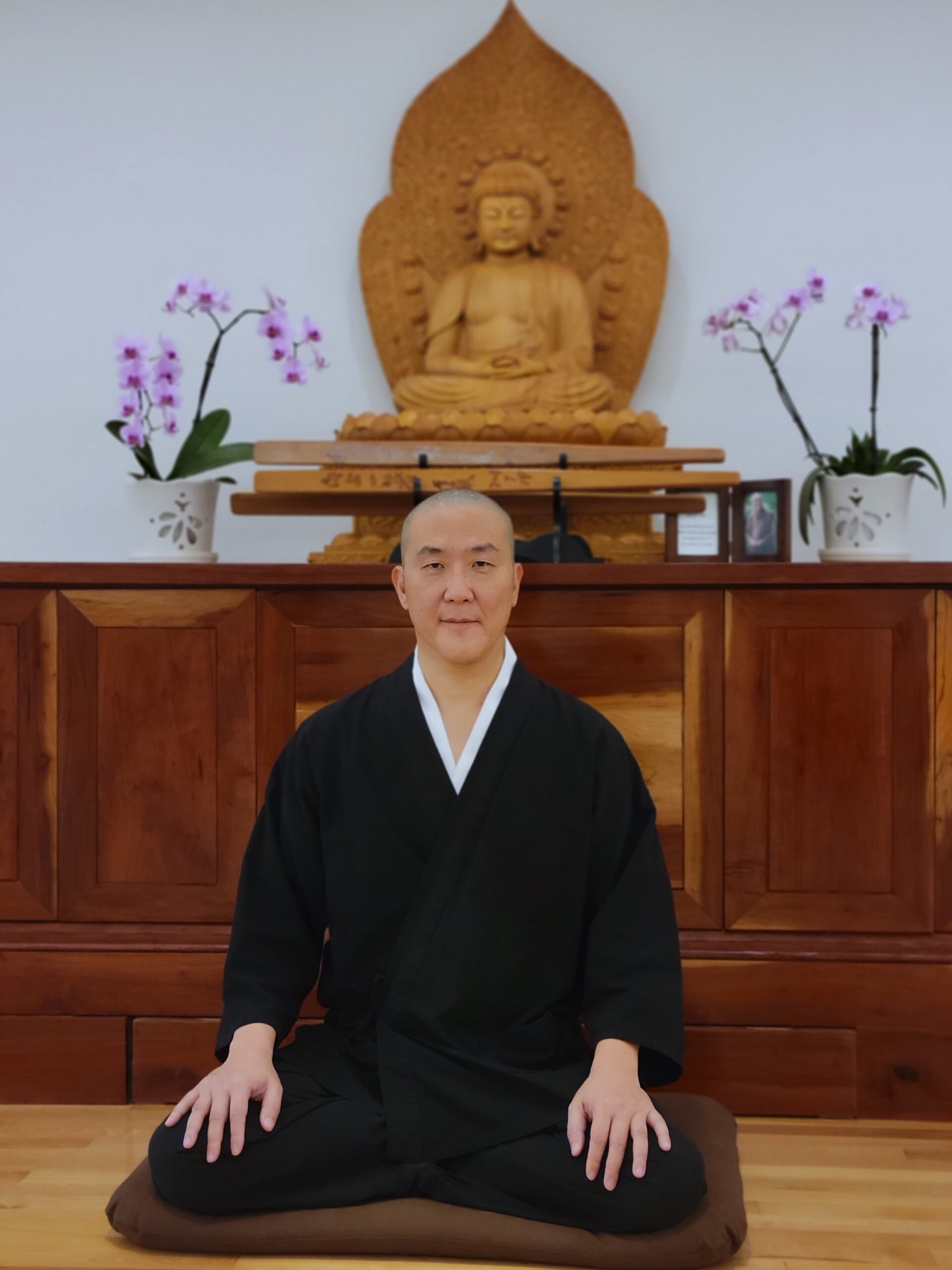
Guo Gu
Guo Gu (Dr. Jimmy Yu) is the founder of the Tallahassee Chan Center, the founder of the socially engaged intra-denominational Buddhist organization, Dharma Relief, and a professor of Buddhism and East Asian religions at Florida State University. He studied under the late Master Sheng Yen for over 30 years, nine of which as his attendant […]
Learn more about Guo Gu